Performance defined by mission reliability.
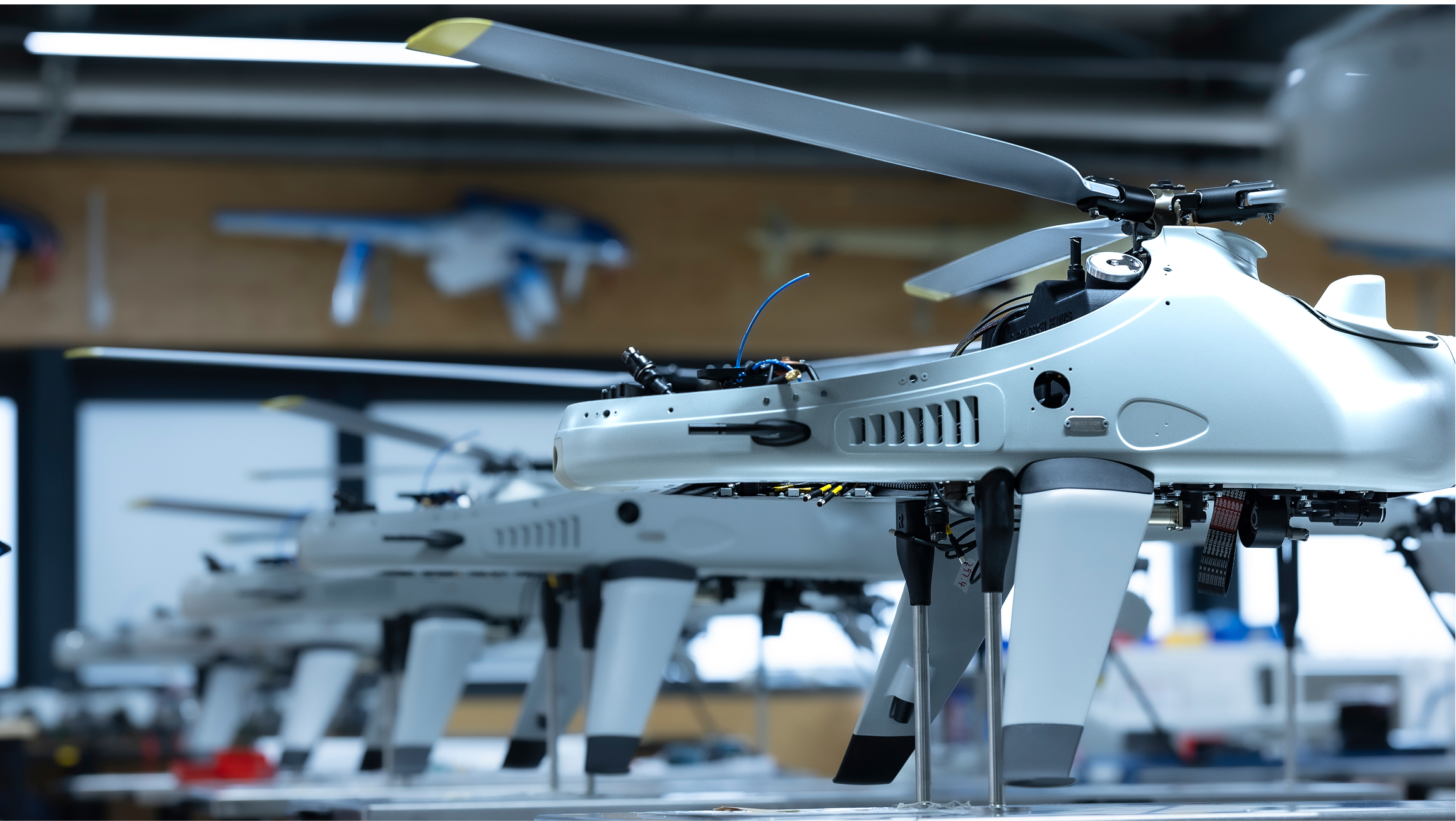
Built for demanding operational contexts
The Airboxer is designed for deployment scenarios where endurance, predictability and environmental robustness matter most.
Core specifications in a structured operational context
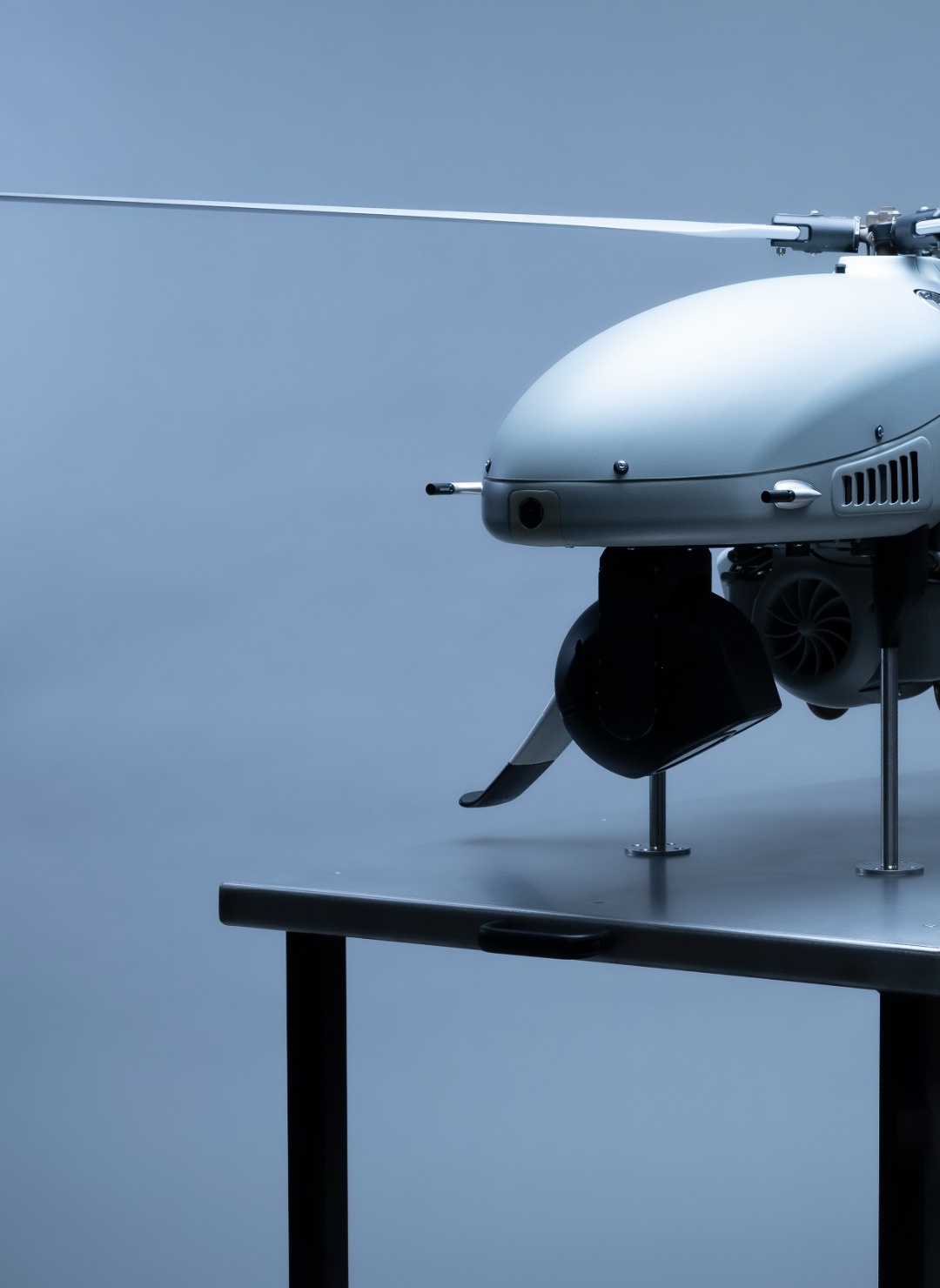
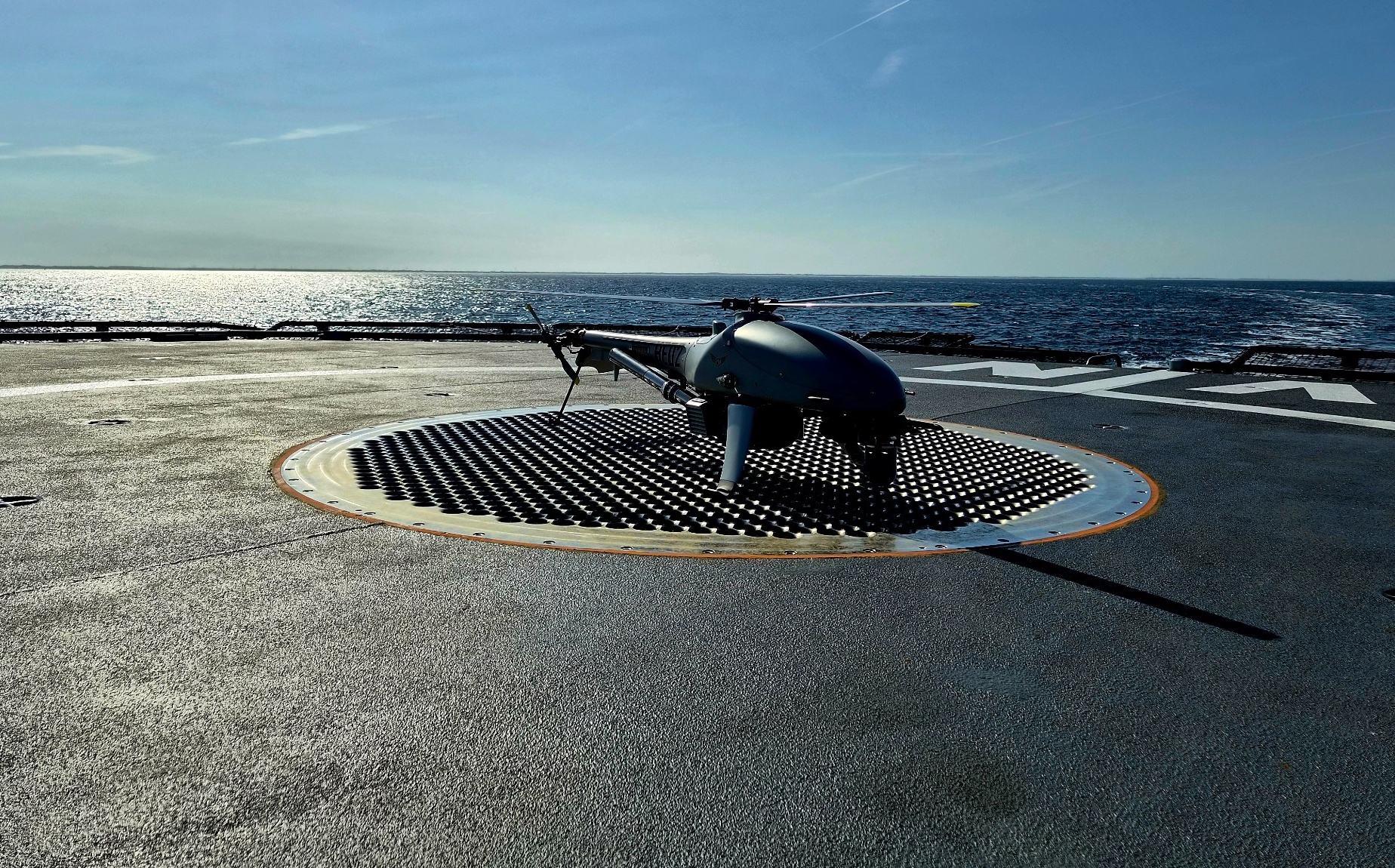
Designed for operations at sea
The Airboxer is built for maritime deployment, with predictable flight characteristics in dynamic sea conditions and mission-specific configuration for coast guard, naval and offshore operations.
- VTOL deck launch and recovery
- Operation from moving vessels
- Corrosion-resistant materials and protective coatings
- Stabilized ISR performance in maritime wind conditions
- Navigation robustness in GNSS-challenged environments
- Modular mission configuration for coast guard, naval and offshore tasking

Engineered with cold-climate deployment in mind
The platform architecture supports operations in demanding northern environments, with mission-specific configuration and validation aligned to deployment requirements.
- Propulsion architecture designed for low-temperature operability
- Temperature-managed avionics environment
- Energy management strategy for reduced battery efficiency in cold conditions
- Structural configuration suited for sustained wind exposure
- Configurable environmental protection options aligned to mission profile
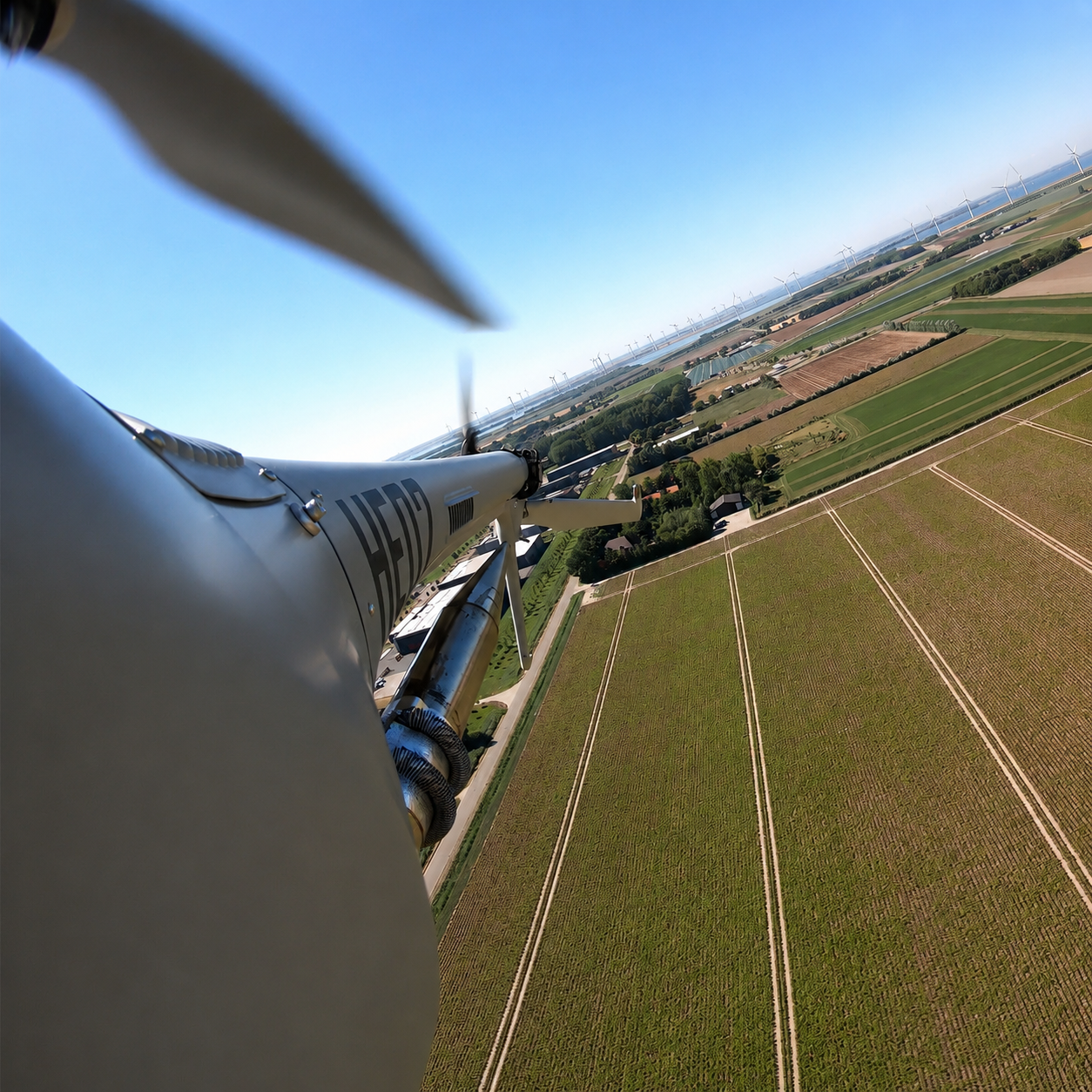
Endurance achieved through design discipline
This architecture enables persistent surveillance with a lower logistical footprint compared to heavier tactical systems or pure rotary platforms.
- Aerodynamically efficient
- Intelligent power management
- Mission-based endurance profiles
- Configurable fuel and energy management profiles
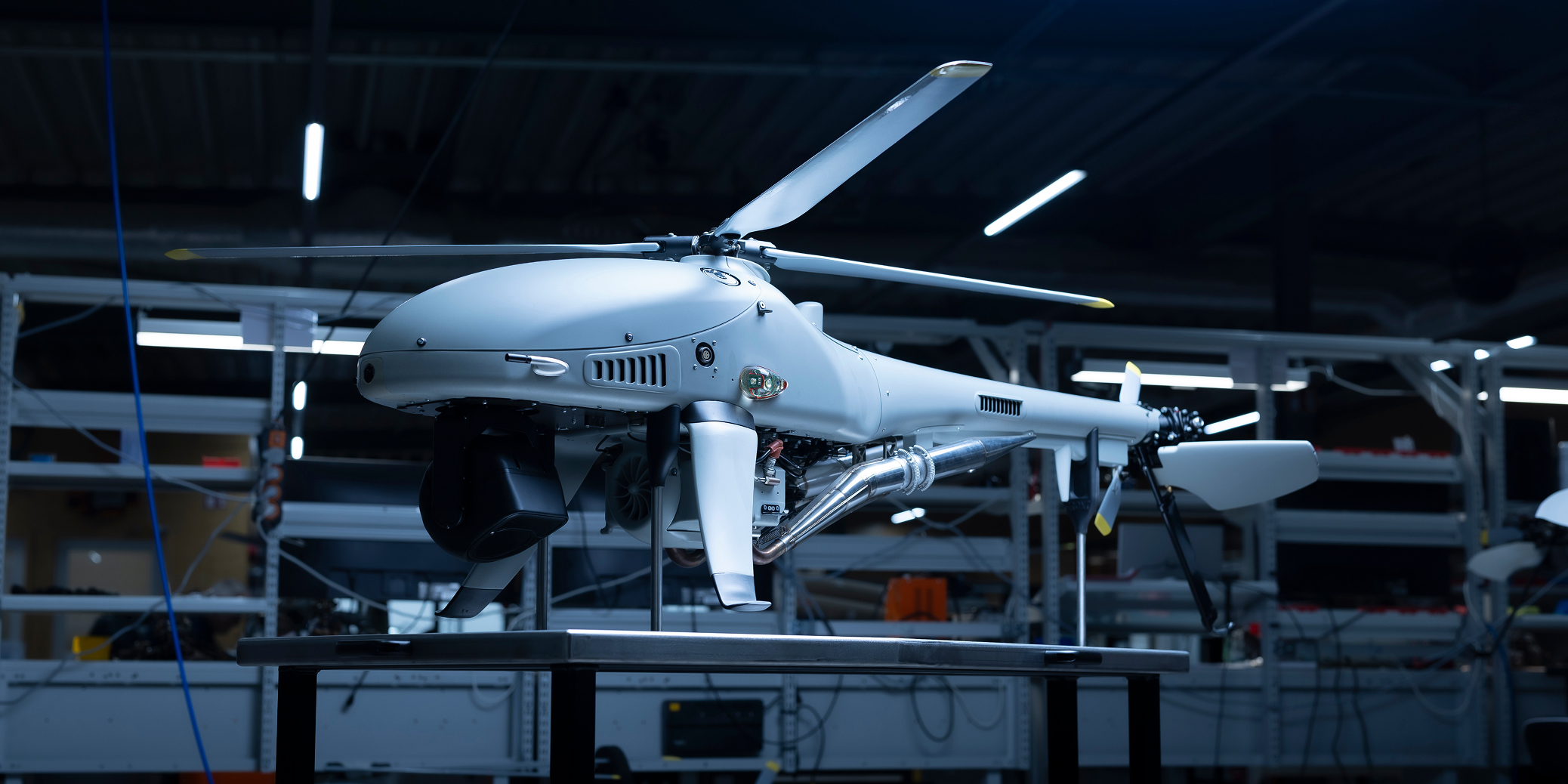
Built around a modular system architecture
The Airboxer supports mission-specific sensor and communication configurations within an aviation-grade framework, while maintaining configuration control, airworthiness and system integrity.
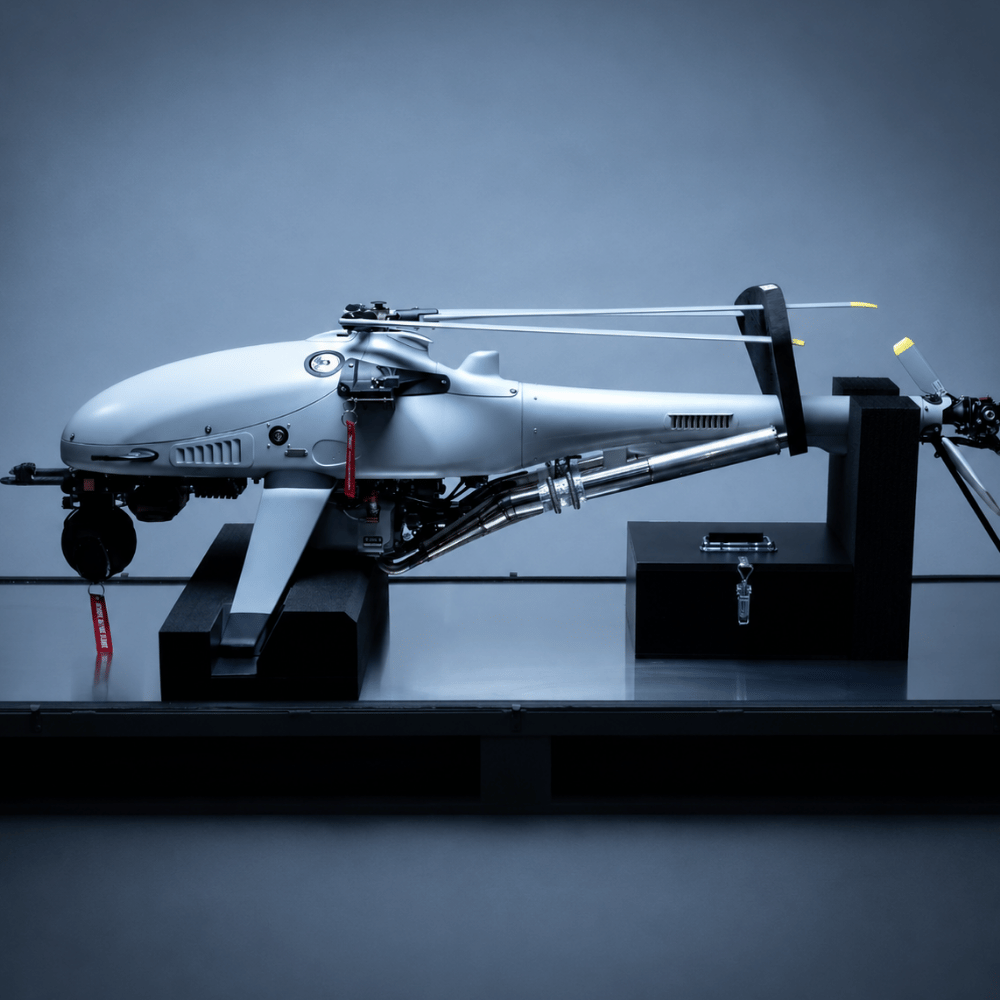
Capability without unnecessary logistical burden
Operational efficiency extends beyond the aircraft itself. The Airboxer is designed for situations that require scalable deployment, structured maintenance and clear documentation without excessive logistical complexity.
- Compact deployment configuration
- Scalable communication configurations
- Configurable support and maintenance packages
- Rapid setup and recovery procedures
- Scalable ground control station architecture
- Structured maintenance program
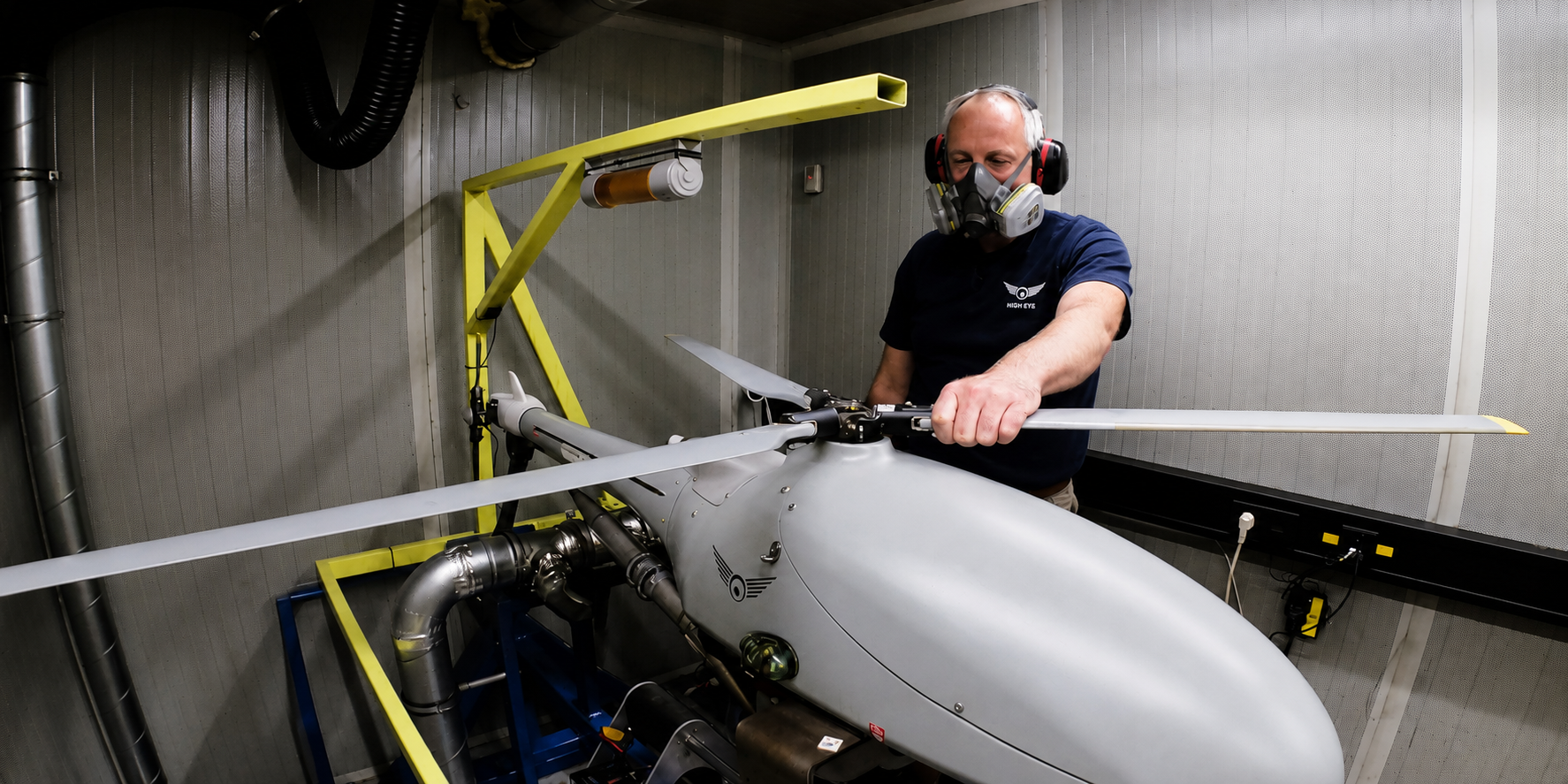
Performance measured in controlled, repeatable mission delivery
The Airboxer operates within a mature regulatory and safety framework, where redundancy, safety management and aviation-standard documentation are embedded in the system architecture.
- LUC SAIL II operational authorization
- Structured safety management system
- Aviation-standard documentation
- Maintenance procedures aligned with established aviation practices
- Redundancy and risk mitigation embedded in system architecture
Explore Airboxer capabilities and resources